
Electric stoves serve as the backbone of most kitchens, powering everything from quick breakfasts to elaborate family dinners. When your stove operates reliably, meal preparation becomes efficient and stress-free, allowing you to focus on creating nourishing dishes for yourself and your loved ones. However, even minor malfunctions can throw a wrench into your daily routine. Imagine coming home after a long day, only to discover your stove won’t heat up or the oven temperature is wildly inconsistent—these issues don’t just delay dinner; they can also compromise food safety and your overall kitchen experience.
A dependable electric stove is about more than just convenience. It plays a crucial role in maintaining a safe cooking environment. Malfunctioning appliances can lead to electrical hazards, undercooked or burnt food, and unnecessary frustration. For busy professionals, families, and passionate home cooks alike, a reliable stove means peace of mind, allowing you to experiment with new recipes or whip up quick meals without hesitation.
Moreover, a well-maintained kitchen appliance adds to the value of your home and can be a selling point if you ever decide to move. It’s an investment in your comfort and your household’s daily rhythm. Knowing how to spot and address potential issues ensures your kitchen remains the welcoming heart of your home.
Recognizing the early signs of stove or oven trouble can save you time, money, and frustration. Some issues are easy to spot, while others might develop gradually. Here are some of the most frequent problems homeowners encounter:
One of the most common complaints is a burner that won’t heat up or only heats unevenly. This can be due to a burned-out heating element, a faulty heat control switch (known as the infinite switch), or loose wiring beneath the cooktop. If your burner jumps from cold to scorching hot with no in-between, it’s likely the control switch isn’t working as it should.
Another frequent issue is the stove tripping the circuit breaker. This usually points to deeper electrical problems, such as a wiring short inside the appliance or a faulty outlet. Ignoring this symptom isn’t just inconvenient—it can also be hazardous.
Modern electric stoves often feature digital displays and touch controls. If these become unresponsive or flicker, it could indicate a faulty control board, a power supply issue, or a loose connection behind the panel. While some digital issues can be temporarily solved with a reset, persistent problems may require professional attention.
Other warning signs include burning smells, sparking, or a cracked and damaged glass cooktop. If you notice any of these, it’s important to act quickly. Not only can these problems cause further appliance damage, but they also pose safety risks to your home and family.
Before calling in a professional, there are a few troubleshooting steps you can take to pinpoint and sometimes resolve common stove issues. Always remember to unplug your appliance and take necessary safety precautions before any inspection.
If a burner isn’t heating, try swapping it with another similar coil burner from your stove. If the swapped burner works, the original heating element is likely at fault and needs replacement. However, if neither burner works in that socket, the issue might be with the infinite switch or the wiring below the cooktop.
For burners that get too hot or won’t adjust temperature, a malfunctioning infinite switch is often to blame. If you notice the burner rapidly shifting from cold to very hot without gradual change, the switch should be replaced. While it’s possible to order a replacement part, this repair involves working with electrical components and is best left to those comfortable with appliance repairs—or a trained technician.
If your stove is tripping the breaker, unplug it and try plugging in another high-powered device, like a microwave, into the same outlet. If the breaker trips again, the issue is likely with the outlet or circuit itself, not the stove. If it doesn’t, your stove may have an internal electrical short that requires professional repair.
For digital display or touch control problems, try resetting your stove by unplugging it for five minutes. Sometimes, this simple step can resolve temporary glitches. However, if the display remains blank or unresponsive, it’s wise to seek expert help.
By following these basic troubleshooting steps, you could save yourself a service call and get your stove back up and running quickly. However, always err on the side of caution, and when in doubt, consult an appliance technician.
Safety should always be your top priority when troubleshooting or repairing any kitchen appliance, especially electric stoves. These appliances operate on high voltage, and even a small mistake can lead to serious injury or property damage.
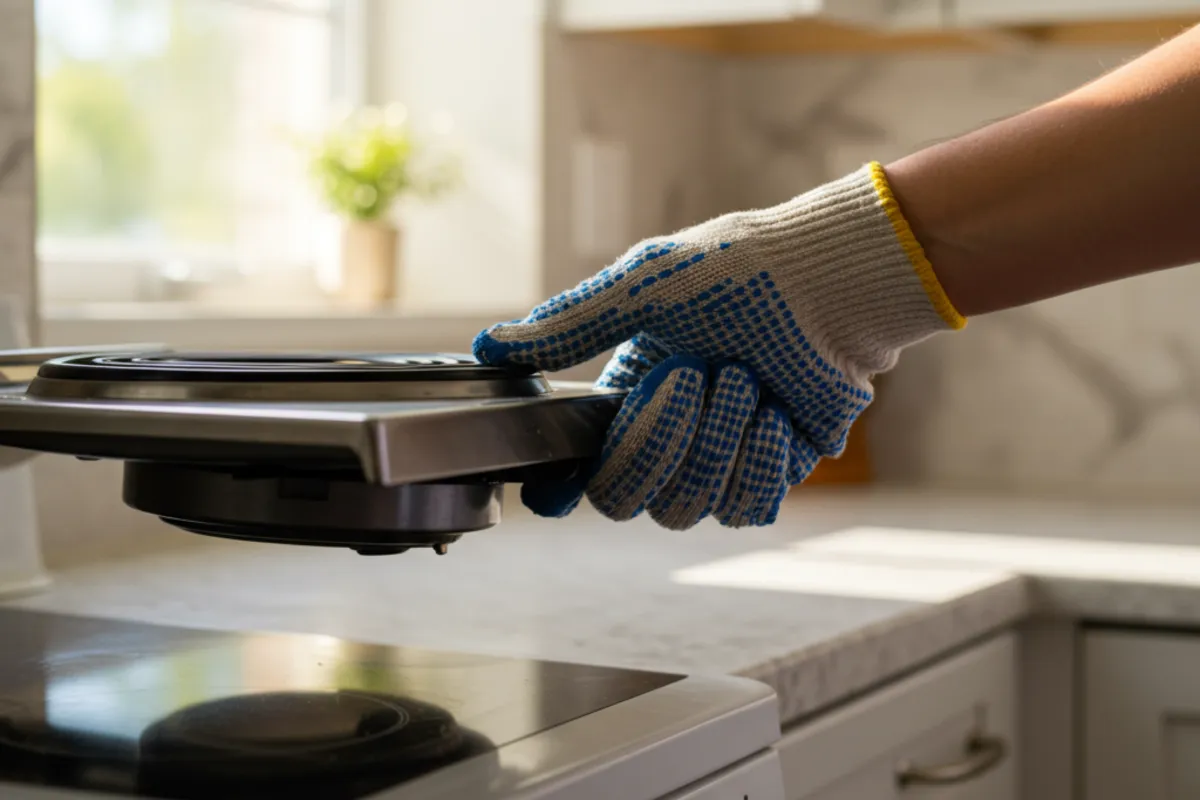
Before starting any inspection or repair, make sure to unplug your stove or switch off the corresponding breaker at your electrical panel. Never attempt to handle wires, connectors, or components while the appliance is powered. Use insulated gloves to protect your hands from both electrical shock and sharp edges inside the stove.
Keep the work area dry, and never use wet hands or tools when working around electrical parts. Water conducts electricity, increasing the risk of shock. Always use the correct tools—avoid improvising with items that could slip or break.
Be honest about your abilities. While some repairs, such as replacing a burner coil, can be safely managed with basic tools and caution, more complex or electrical repairs should be left to professionals. Attempting repairs beyond your skill level not only risks your safety but can also make the problem worse or void warranties.
If at any point you feel unsure, stop and seek help from a qualified appliance technician. Your safety and the long-term reliability of your kitchen equipment are always worth the extra precaution.
While some electric stove problems are easily resolved at home, others signal the need for professional intervention. Knowing when to call an appliance technician can prevent further damage, protect your household, and restore your kitchen’s functionality more quickly.
If you’ve swapped burners and the issue persists, or if multiple burners fail to heat, the problem might lie in the control switch or internal wiring—both of which require expert attention. Persistent sparking, burning smells, or frequent tripping of the circuit breaker are all serious warning signs of electrical faults. These issues can lead to fires or severe electrical damage if not addressed properly and promptly.
A cracked or damaged glass cooktop is another situation where professional help is essential. Not only can cracks worsen with use, but they also pose a risk of injury or electrical shock. Similarly, if your stove’s touch panel or digital display remains unresponsive after a reset, the underlying issue may involve the control board or other internal electronics—components that should only be handled by trained professionals.
Appliance technicians are equipped with specialized tools and knowledge to diagnose and fix these complex problems safely. By relying on their expertise, you ensure repairs are done correctly, prolonging your stove’s lifespan and restoring peace of mind in your kitchen.
Preventive care goes a long way in keeping your electric stove and oven running smoothly. Simple habits and regular checks can help you avoid many of the most common—and costly—appliance issues.
Always clean up spills as soon as they occur, especially sugary or acidic foods that can seep into burners or control panels and cause corrosion or short circuits. Wipe down surfaces with a damp cloth, but avoid letting water drip into electrical components.
Be mindful of the cookware you use. Oversized pots that cover multiple burners or rest heavily on the cooktop can stress the heating elements or crack glass surfaces. Stick to the recommended size for each burner and avoid dragging heavy pans across the glass.
Check your kitchen outlets every few months for signs of looseness, discoloration, or overheating. An overloaded or faulty outlet can damage your stove and other appliances. If you notice any issues, consult an electrician to address them promptly.
Treat your stove’s glass cooktop with care—never slam or drop pots and pans, as sudden impacts can cause cracks or weaken the surface over time. Regularly inspect your appliance for signs of wear, and address minor issues before they escalate.
By following these expert tips, you’ll not only extend the life of your kitchen appliances but also ensure a safer and more enjoyable cooking environment.
A well-functioning kitchen is the heart of a happy home, supporting your daily routines and culinary ambitions. Addressing electric stove and oven problems promptly—either through DIY troubleshooting or by seeking professional help—ensures your kitchen remains reliable and stress-free.
Routine maintenance, quick action on minor issues, and a proactive approach to appliance care can prevent costly repairs and extend the life of your stove. When complex problems arise, trusting a qualified appliance technician provides not just a fast fix, but also assurance that your appliance is safe and performing at its best.
For homeowners and renters juggling busy schedules, a dependable stove is a non-negotiable asset. It lets you prepare healthy meals, entertain guests, and explore new recipes without worry. By investing in regular care and knowing when to call in the experts, you keep disruptions to a minimum and maintain the welcoming, functional space your kitchen should be.
Partnering with reliable professionals for oven repair and appliance maintenance builds trust and ensures your kitchen is always ready to meet the demands of your lifestyle. With the right care and attention, your electric stove will continue to serve as the cornerstone of your home for years to come.

Master Appliance Service offers certified appliance repair solutions in Maple Ridge and surrounding cities with licensed technicians delivering prompt, reliable service. Enjoy transparent pricing, secure payments, and a 3-month warranty on parts and labor. Trust us for dependable and convenient home appliance repairs.
